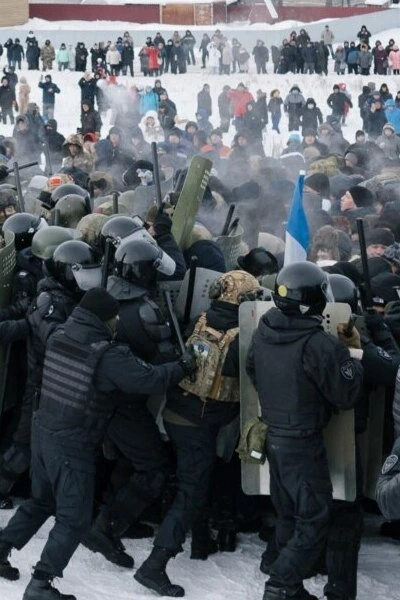
The Baymak Case
January 17, 2024 — Baymak
Thousands gathered peacefully in support of Fail Alsynov. Authorities responded with tear gas, batons, and arrests.
A nation fighting for freedom — silenced by a colonial empire
The Bashkirs, an Indigenous people of today's Russia, face arrests, torture, and long prison sentences for defending their cultural and political rights. Find out how you can support their struggle.
Moscow has abolished real federalism, replacing elected leaders of Indigenous republics with Kremlin appointees.
Indigenous languages, cultural institutions, and education systems are systematically suppressed or eliminated.
Activists, teachers, journalists, and community leaders face fabricated charges, torture, and long prison terms.
Minority regions are disproportionately used as resource zones for wars, raw materials, and cheap labor.
More than 190 ethnic groups live in Russia, 21 of which have their own national republics within the Federation. According to Russian law, almost all national republics are states with their own governing bodies and broad autonomy. In reality, however, Russia views these national autonomies as a threat to its existence. That's why the most brutal repression takes place not in Moscow or St. Petersburg, but specifically in the national autonomous regions. Moscow is systematically dismantling federalism and destroying the identities of the peoples, turning all its citizens into Russians.
After the collapse of the Soviet Union, Russia's new leadership, headed by Boris Yeltsin, promised the people "as much sovereignty as they could handle." In the 1990s, Bashkortostan and Tatarstan were granted real powers: their own constitutions, official language status, and broad autonomy in domestic policy. Tatarstan even refused to send its men to fight against the Chechen Republic of Ichkeria, which had declared independence. For many, these promises became a source of hope for equal coexistence within the federation. However, just a few years later, Moscow began systematically stripping the republics of the rights they had won.
A language banned from schools. A history erased from textbooks. A people told they don't exist.
The Bashkirs are an Indigenous Turkic people of the Southern Urals and the Volga region who practice Islam (Sunni). Their population in Russia exceeds 1.5 million, making them one of the country's largest Indigenous peoples. They are known as skilled horsemen and beekeepers, guardians of a rich folklore, the epic "Ural-Batyr," and ancient traditions. Their historical homeland — Bashkortostan — is located between the Volga and the Urals, at the crossroads of Europe and Asia. Over the centuries of Russian colonization, the Bashkirs repeatedly launched armed uprisings against Moscow. The leaders of these movements became national heroes, embodying the spirit of freedom and resistance.
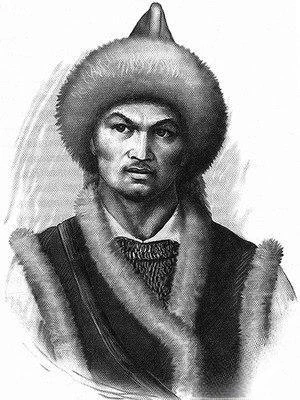
Legendary poet and warrior who led the Bashkirs against the Russian Empire. His name became a symbol of anti-colonial resistance.
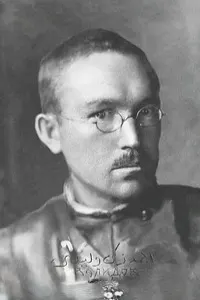
Creator of Bashkir autonomy, commander of the Bashkir army. He fought against both White and Red Russians.
Today, the Bashkirs' historic connection to the land is threatened. The following explains what is now at stake — the traditions, resources, and way of life being taken from the people — and why they are compelled to defend them, even at the cost of imprisonment.
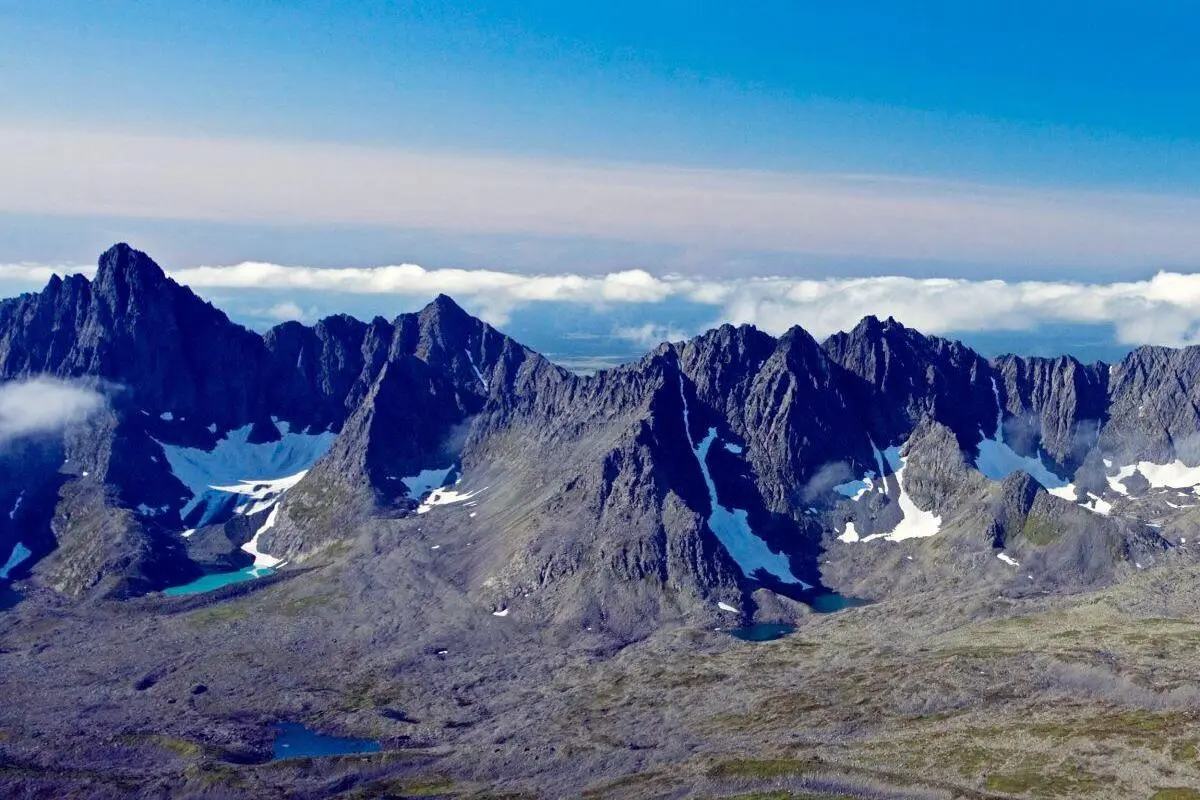
One of the oldest mountain ranges on Earth. For the Bashkirs, this is not just geography — it is the setting of the national epic "Ural-batyr," the resting place of their ancestors, and the source of the rivers that nourish the entire region.
When a mountain is destroyed for the sake of limestone mining, it is not just nature that is lost. A part of the history and memory of an entire people is lost.
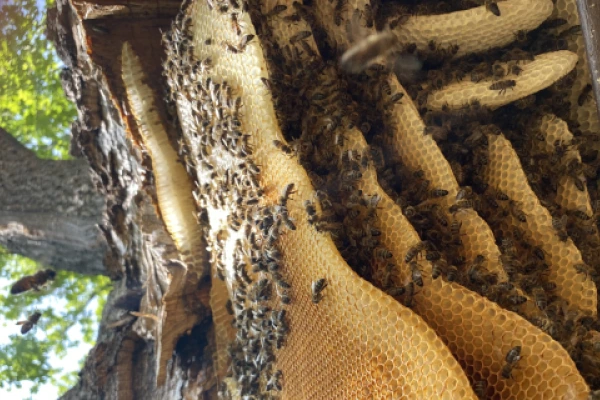
For centuries, the Bashkirs have practiced wild beekeeping — collecting honey from wild hives in ancient linden forests. This tradition predates most nations and has been recognized by UNESCO.
As forests are cut down and land is seized for industrial use, the hives disappear along with them.
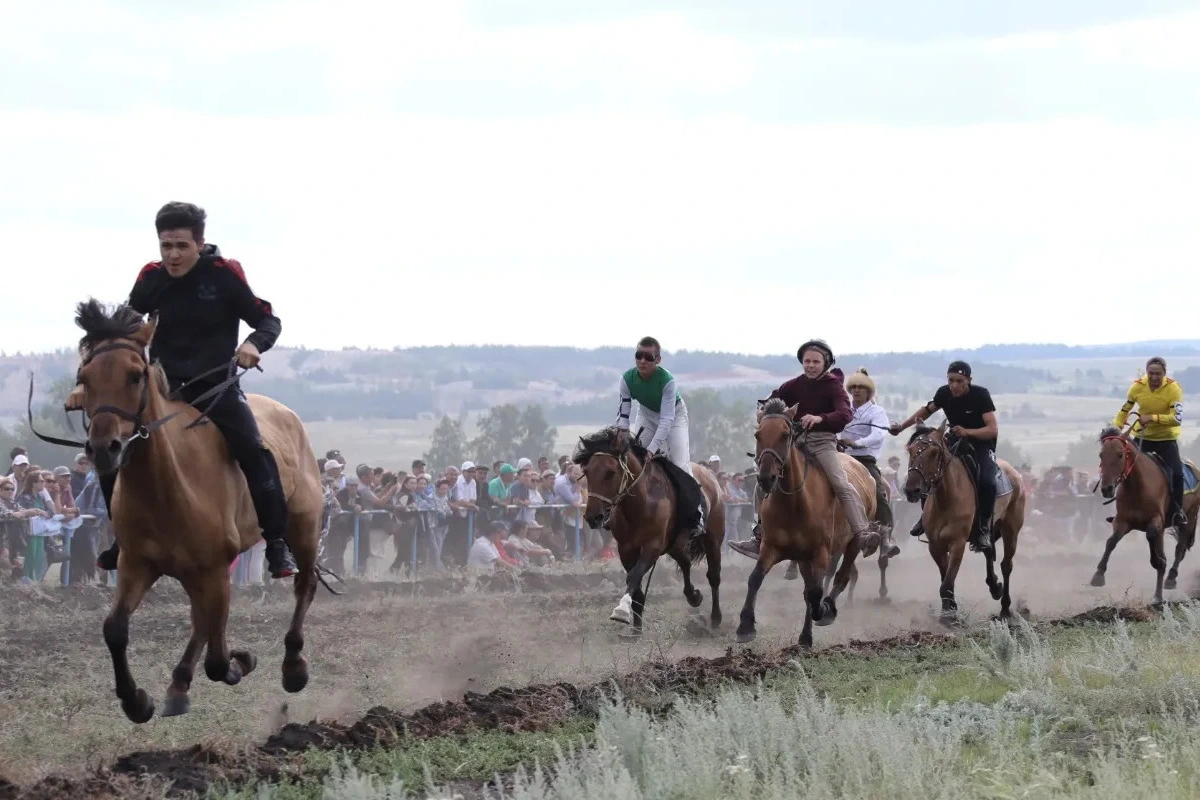
The Bashkir horse — short, hardy, and bred for harsh winters — is inseparable from the people who raised it. Horseback riding permeates the entire culture: from daily work to the memory of mounted warriors who for centuries resisted colonial armies.
Without pastures, this connection dies.
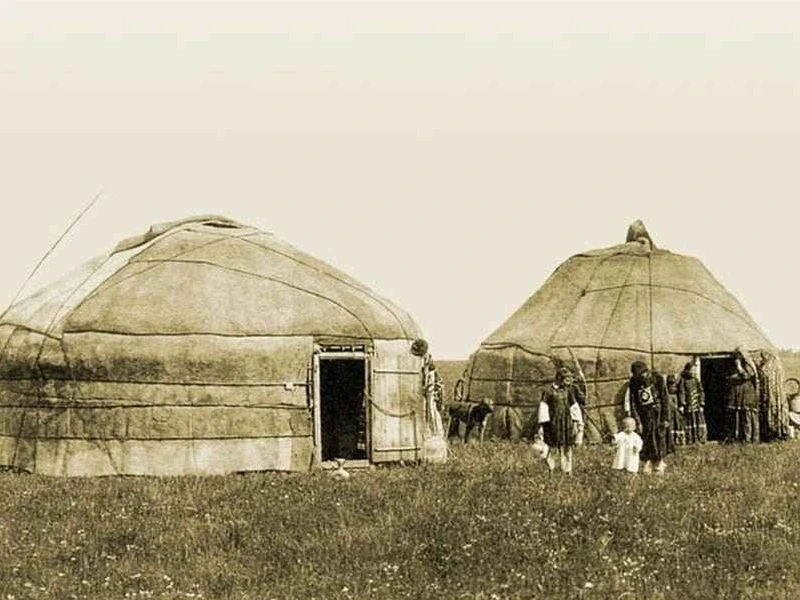
The portable dwelling of nomads, which is still erected during festivals and folk gatherings.
At Sabantuy and folk gatherings, the yurt is still erected — as a reminder that the Bashkirs have always had their own way of life, their own home, and their own will.
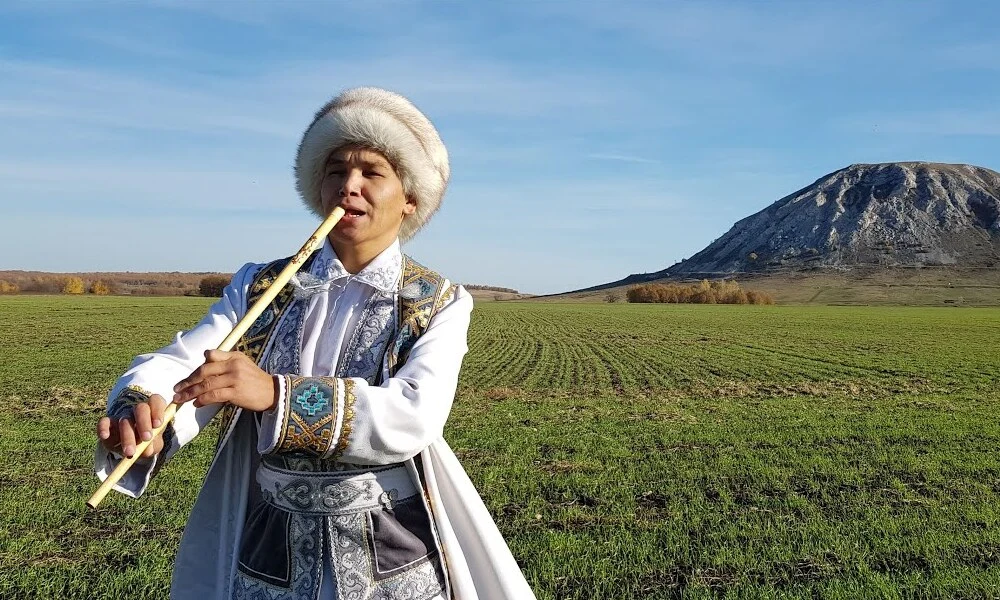
A flute carved from the stem of a hollow plant that grows only in the Urals. The kurai is depicted on the coat of arms and flag of Bashkortostan and has accompanied Bashkir songs and rituals for centuries.
Its sound is unmistakable — long, open, and free. For the Bashkirs, the kurai is not just an instrument, but a way to express what cannot be put into words.
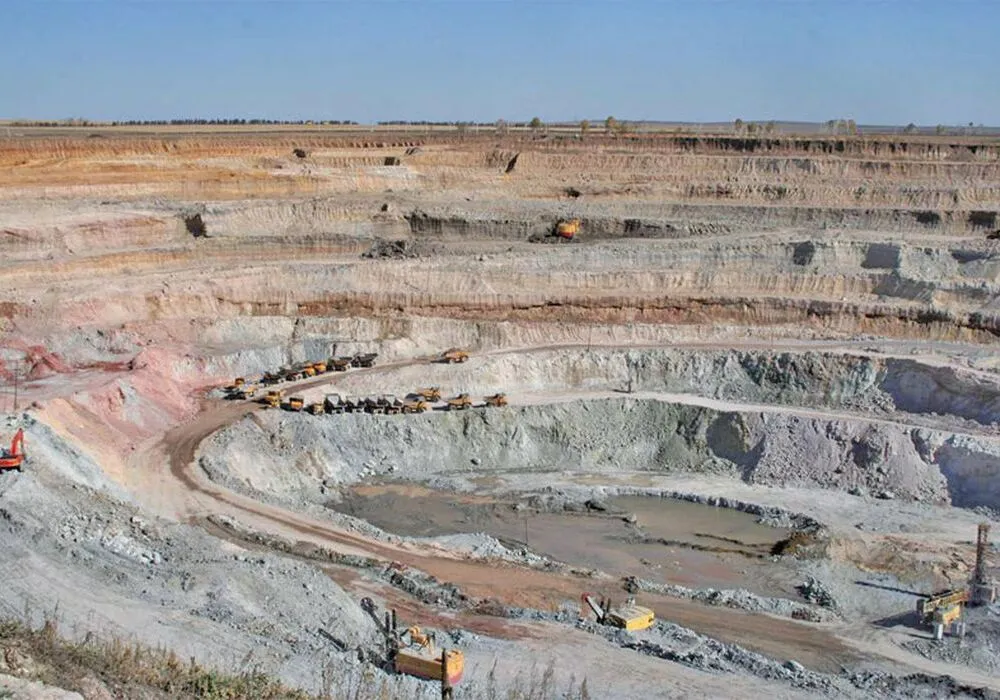
The subsoil of Bashkortostan is rich in oil, gold, copper, and rare metals. For over a century, this wealth has been extracted by outsiders — first by the Empire, then by Soviet planners, and now by federal corporations.
What remains for the locals are poisoned rivers, toxic soil, and fenced-off land where their pastures and hayfields once stood.
This struggle is deeply personal. Each arrest and sentence represents people defending their land, heritage, and language — the very foundation of their identity.
What happened in Baymak in January 2024 was not a sudden outburst. Behind it lie decades of systematic plundering of Bashkir lands and the people who live there.
In the Trans-Urals — a region of Bashkortostan rich in gold, copper, and other minerals — industrial companies, with Moscow's support, have for years been taking away from the population the pastures and hayfields that have sustained generations of families. They grazed their livestock there and harvested hay for the winter. One by one, the lands were handed over to mining companies. They left behind polluted rivers, poisoned soil, and communities deprived of their livelihoods.
People put up with this for a long time. But discontent was building.
The turning point came when a soda company attempted to destroy Mount Kushtau — a sacred natural monument — to extract limestone. Thousands of Bashkirs set up camp on the mountain and refused to leave. It became the largest environmental protest in the region's modern history.
The people won. Kushtau was saved.
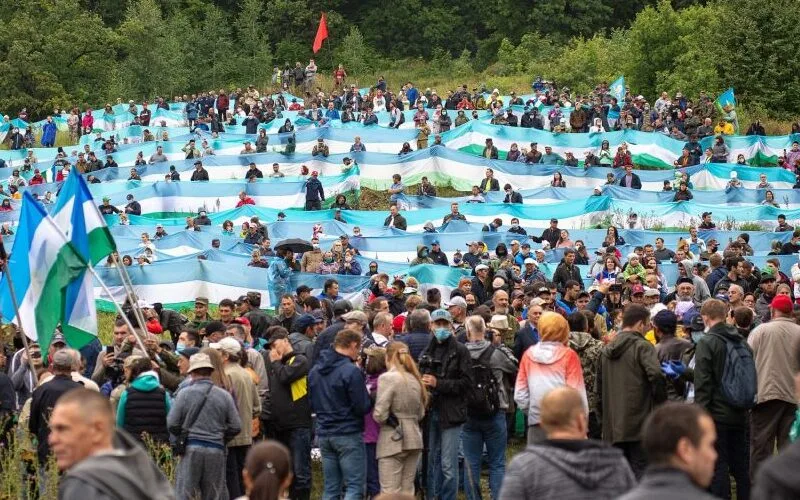
Instead of listening to the people, the authorities chose revenge. Environmental and national activists were persecuted one after another. The "Bashkort" movement was declared an extremist organization. Organizers were wiretapped, intimidated, and arrested.
The message was clear: defend your land, and there will be consequences.
Fail Alsynov — one of the most prominent defenders of Kushtau and a voice for Bashkir rights — was charged with "inciting hatred" for a speech delivered entirely in the Bashkir language.
The case was widely viewed as a political reprisal — punishment for the humiliation Moscow suffered at Kushtau.
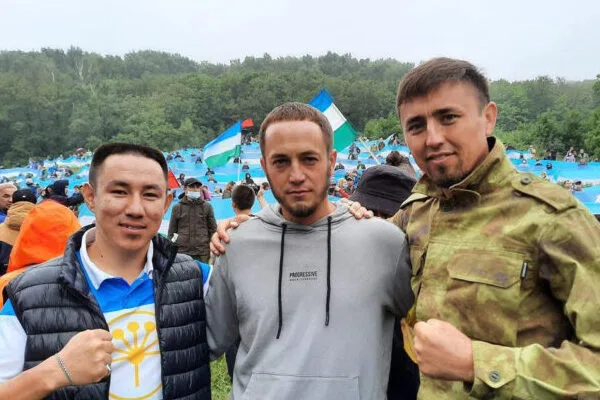
When the court sentenced Alsynov to four years in a penal colony, thousands of people in Baymak gathered outside the courthouse. They simply stood alongside the man who spoke on their behalf. This is not prohibited by either the law or the Constitution.
The authorities responded with tear gas, batons, and mass arrests. What followed — criminal charges, torture, and the deaths of those detained — became known as the Baymak Case.
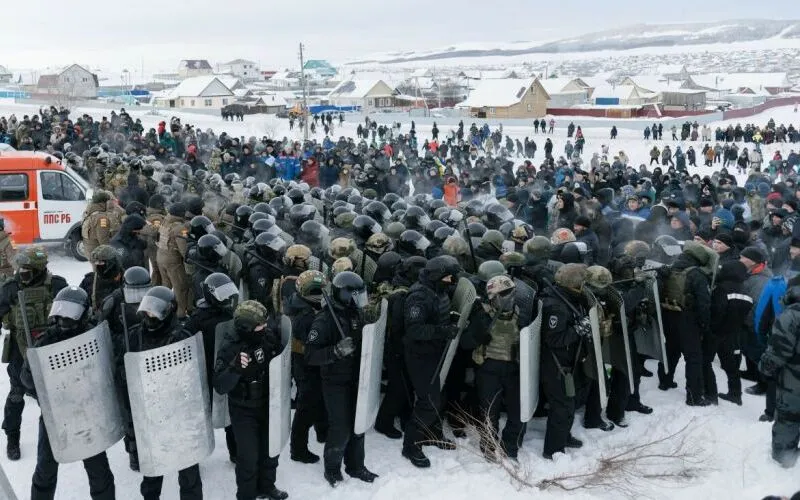
The protest in Baymak was not about one person. It was about years of land taken away, silenced voices, and broken promises — which had finally reached a point beyond which it was impossible to remain silent.
The Bashkirs are known for their passion and willingness to defend their homeland. It is here that Russia's most high-profile protests have taken place in recent years — from the campaign to protect Mount Kushtau to the mass rallies in Baymak.
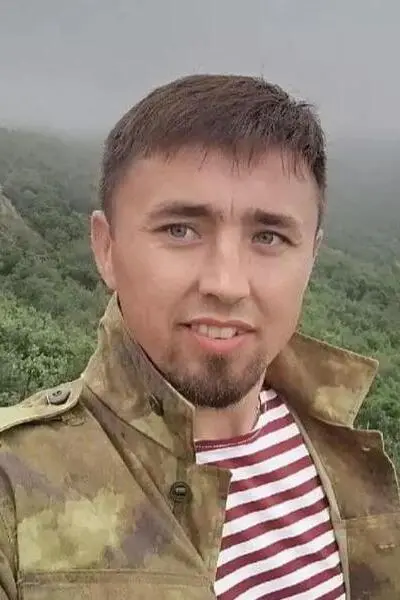
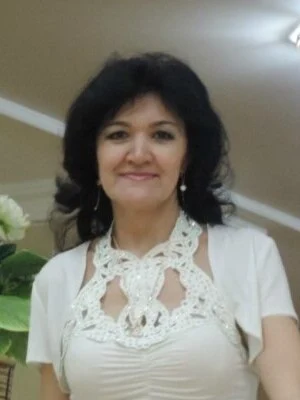
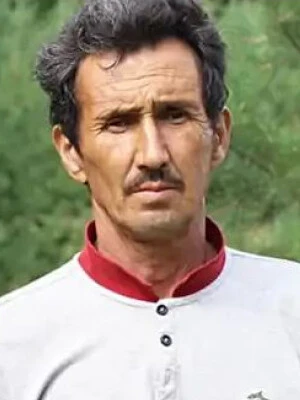
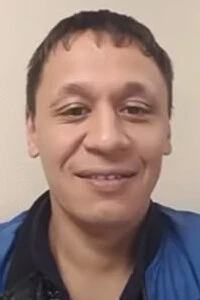
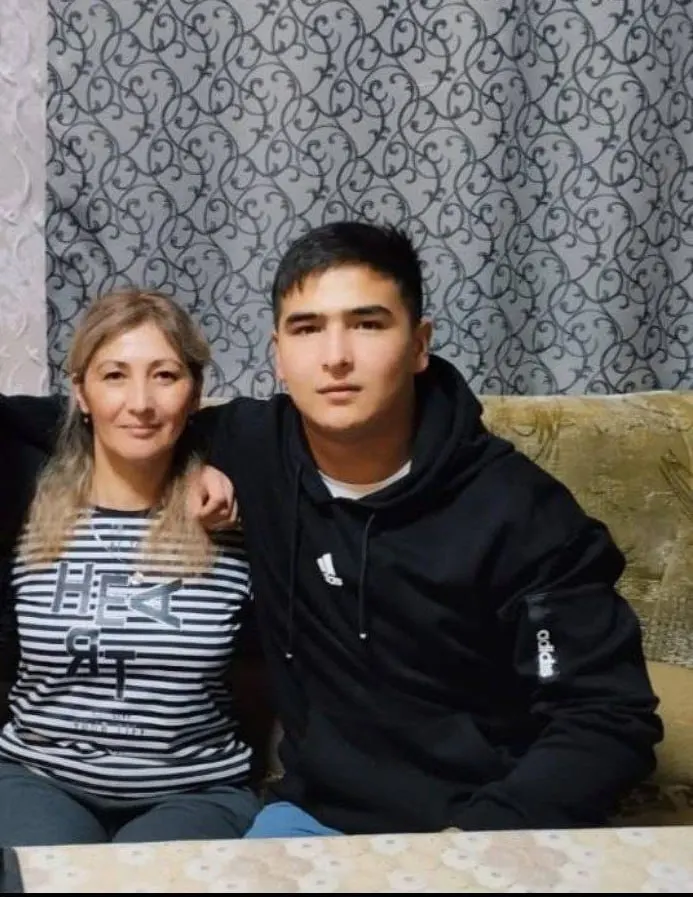
They are not criminals. They are teachers, poets, mothers, elders — punished for loving their people.
Repression against Bashkir activists is not limited to the "Baymak case." Those who openly advocate for people's rights and oppose the authorities' arbitrariness are being charged under criminal statutes.
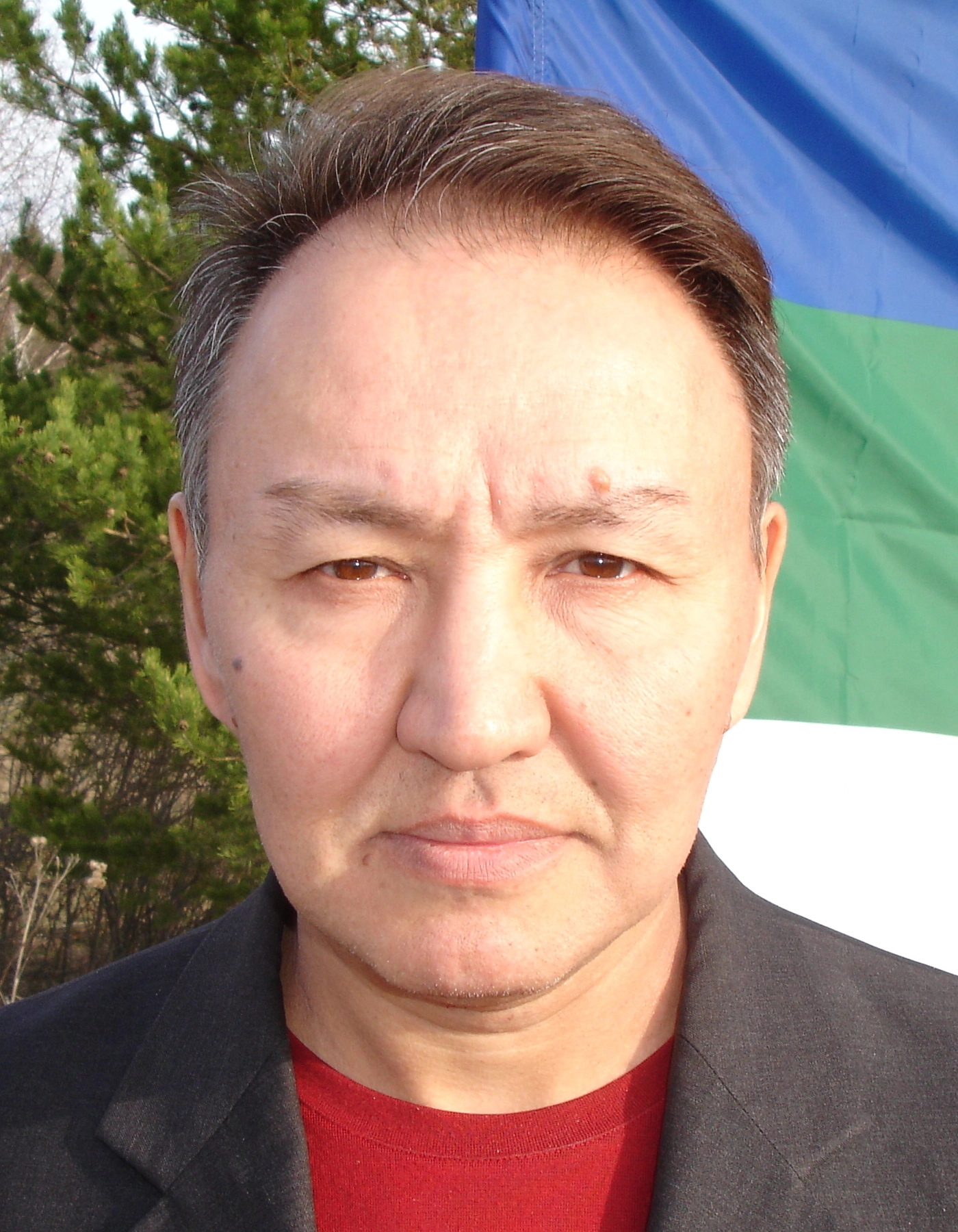
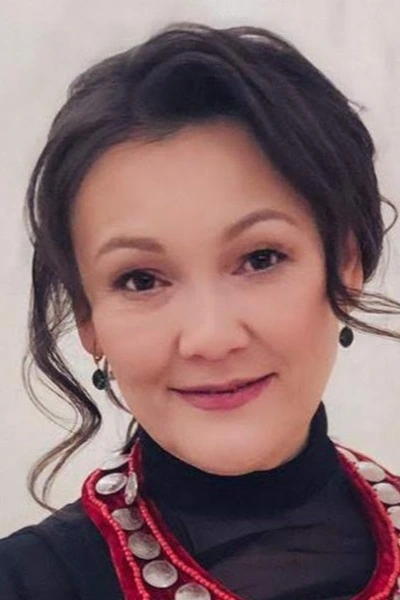
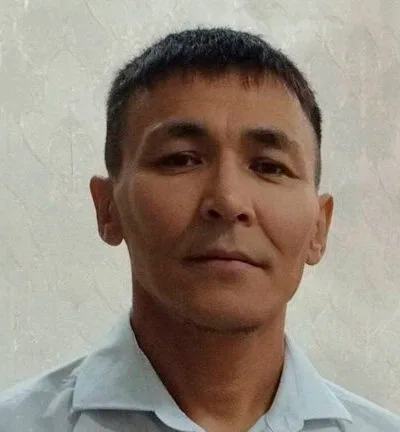
Political prisoners from national republics such as Bashkortostan remain in the shadow of high-profile Russian dissidents, whose fates are championed by Western governments and international organizations. The Bashkir national movement has found itself facing not only the Kremlin's repressive machine but also the Russian liberal opposition. The latter, on the one hand, speaks of freedom and rights, but on the other, denies the Bashkirs the right to their own state and stubbornly remains silent about the policy of forced assimilation and the destruction of peoples enslaved by Moscow.
Governments and human rights organizations react when thousands speak up.
When names are known globally, torture and abuse decrease.
Solidarity shows that Indigenous peoples are not alone against state repression.
Families of prisoners know the world cares.
To look away now is to accept their disappearance.
This is a traveling street exhibition created to raise awareness about the persecution of the Bashkir people in modern Russia. It brings real stories of political prisoners to public spaces across Europe. The goal is simple: to show the human cost of colonial violence and call for international solidarity.
The exhibition was created by the Committee of the Bashkir National Movement Abroad with the support of the Free Nations League.